The race is on to bring the most innovative retail design concepts to customers. However, innovation does not always translate into sales so how can retailers ensure that they are investing wisely? We have a few proven tips for you.
It’s widely thought that the age of the physical store is over. However, research shows that’s not quite the case. The way customers shop is definitely changing, but there’s clearly still a place for physical stores. For example, from 2012 to 2017, the number of retail businesses on UK high streets fell by two per cent, but those based elsewhere increased by six per cent.
This suggests customers are less interested in going to brick-and-mortar stores for big-brand items, but are more likely to head off the beaten track for something new. This fits with the move towards experiential retail that many big brands are making. However, in order to bring shoppers back to the high street, stores need to some real innovative retail design.
Several businesses are moving in the direction of innovative retail design, focusing on creating something new to draw in consumers, and this could be the force that regenerates the high street. It’s clear that big brands need to offer more than just the products they sell, and here are three trends that could see business return to town centres.
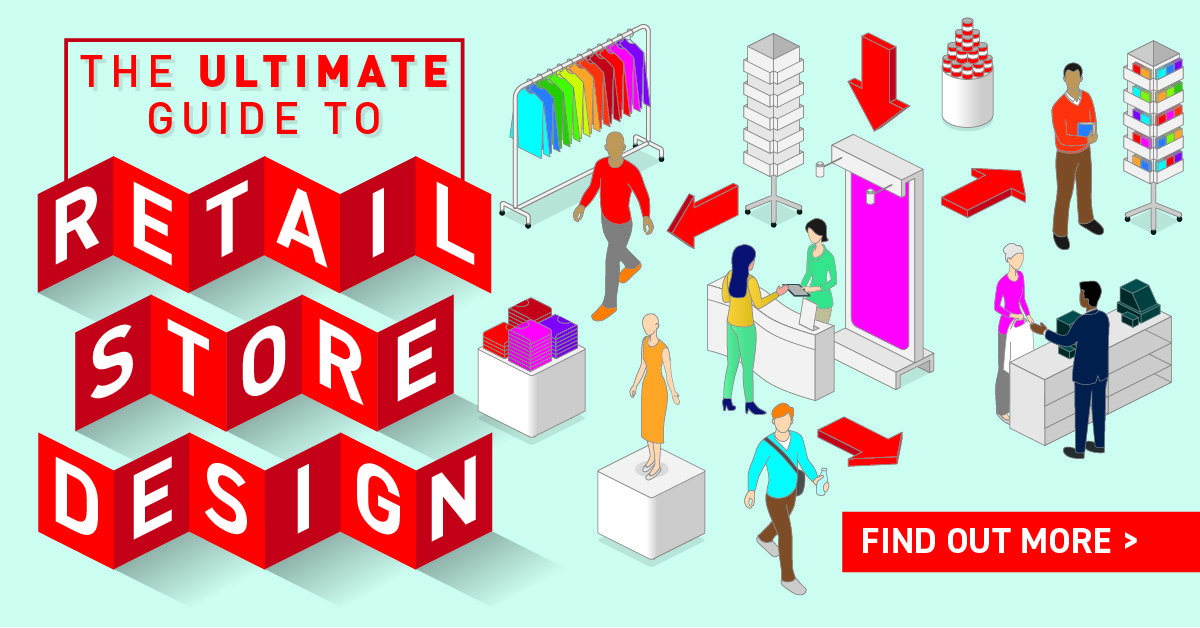
Innovative Retail Design Ideas
1. Physical Stores For Digital Businesses
Amazon is probably the best-known digital business in the world. However, that doesn’t mean it’s completely averse to physical stores. In fact, the company is experimenting with opening a range of brick-and-mortar shops to offer customers a new experience from what they might be used to online. There’s Amazon 4-star, for example, which only sells products rated four stars or more on the website. This gives customers the reassurance they are buying something well-reviewed, as well as being fairly unique as few other retailers have the data available to provide that level of quality assurance. Greg Chapman, Avalara’s senior vice president of business development, told Tinuiti: “In 2019, we’ll continue to see marketplaces and traditional retailers converge. It’s happening both ways, where marketplaces like Amazon are moving to forms of traditional retail, and traditional retailers like Albertsons are making the move to marketplaces to stay relevant in the digital economy.”2. Try Before You Buy
Bonobos has created one of the more innovative retail design concepts in recent years, which uses ‘guideshops’ to sell its products in a brand new way. The company sells menswear, but not in the way you might think. Its selling point is that it allows customers to try before they buy through their e-commerce site. That might sound confusing, but the genius is in its simplicity; customers order items online, which are delivered to a nearby guideshop. They can try everything on, decide what they want, and buy those items, with Bonobos taking back the rest. This provides all the convenience of e-commerce without the annoyance of having to send back items that don’t fit. This simple, innovative retail design alteration to the e-commerce model has proved popular, with the company estimating 65 per cent of their visitors are returning customers. This could well be a trend, with e-commerce companies bringing themselves to the high street to take advantage of the benefits of both online and physical retail.3. Using AR (Augmented Reality) In-store
Augmented reality (AR) is becoming one of the most exciting new technologies in many different industries, and is expected to reach a value of $133.78 Billion by 2021. With most consumers travelling with smartphones that are capable of enhancing elements of a shopping trip, it is no surprise to see it travelling over into retail. This is an area that is primed for innovative retail design. One example from recent years comes from Australian wine company Treasury Wines Estates, which used AR to allow wine labels to come to life. Scanning the labels brought up video clips to provide customers with more information about the products, as well as an original experience. Look to see AR making its way into more high street stores in the future.