Contents
- What is a shelf management system?
- Where and how to use each system
- Benefits of using shelf management systems
- Choosing the right system for your retail locations
- Conclusion
What is a shelf management system?
A shelf management system is a modular solution designed to organise and present products on retail shelves in a consistent, accessible, and visually appealing way. They ensure that products remain front-facing, correctly spaced, and easy for customers to find. They also reduce the time staff spend tidying shelves, rotating stock, and ensuring planogram compliance. Whether you sell snacks, cosmetics, medicines, or cold drinks, the right system can improve the shopping experience and drive sales.Types of shelf management systems
Spring-loaded shelf pushers
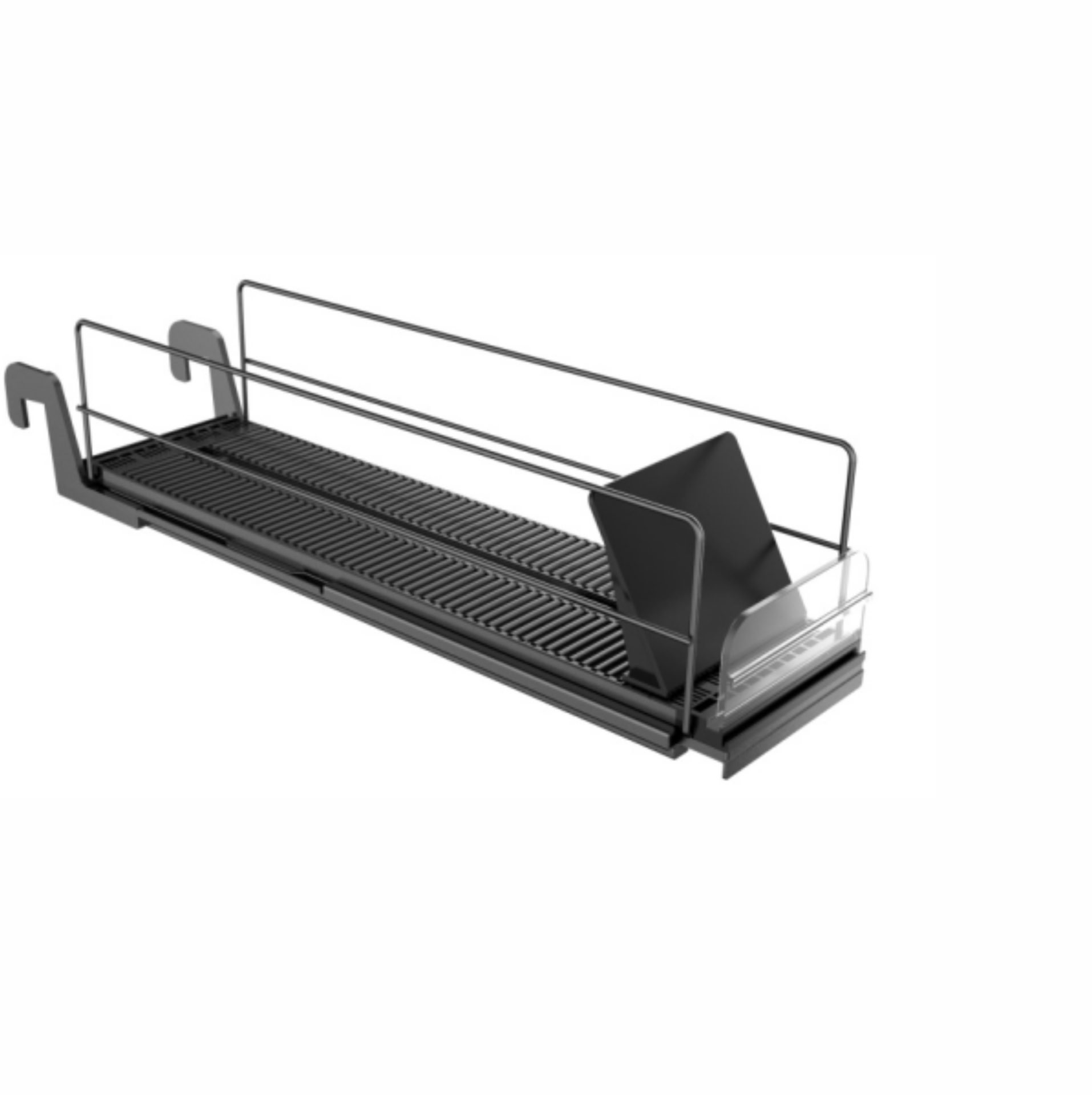
Spring-loaded pushers use a coiled spring mechanism to push products forward automatically when an item is removed. They typically consist of a base track, pusher paddle, and tension spring. As the customer takes an item, the spring gently moves the next product into place, ensuring a continuous fronted appearance.
Benefits:
- Ensures consistent product presentation
- Reduces restocking and maintenance time
- Encourages impulse buys with neat, tidy shelves
- Bottled beverages
- Packaged snacks
- Toiletries and cosmetics
- Pharmaceutical products
Gravity-fed shelving
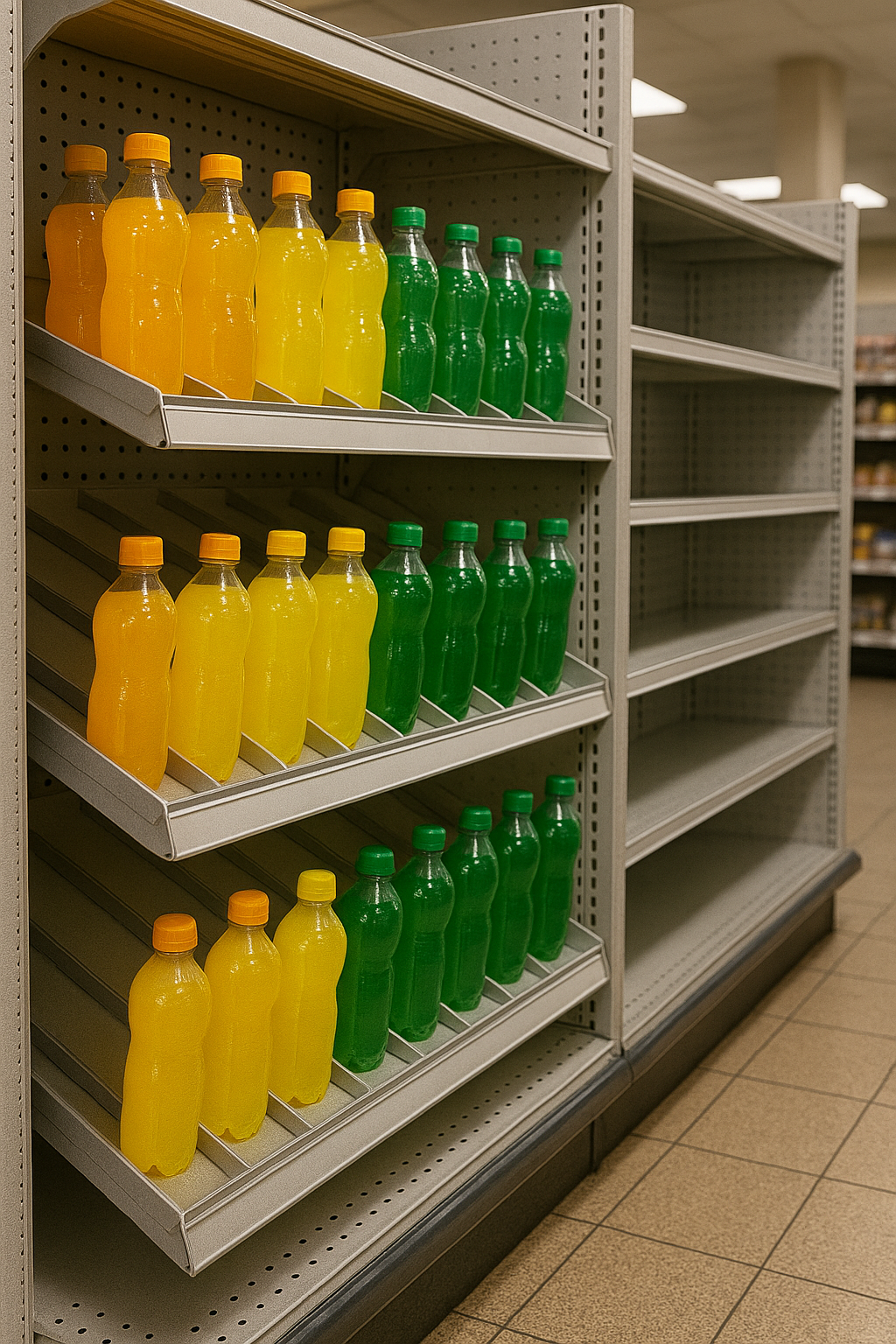
Gravity-fed shelving systems use angled shelves to let gravity pull products forward. As one item is removed, the next naturally slides into position. These systems work best for rigid packaging and heavier products that move easily without mechanical assistance.
Benefits:
- No moving parts
- Ideal for heavy or bulk items
- Passive system with low maintenance
- Cans and jars
- Boxed goods
- Chilled and refrigerated items
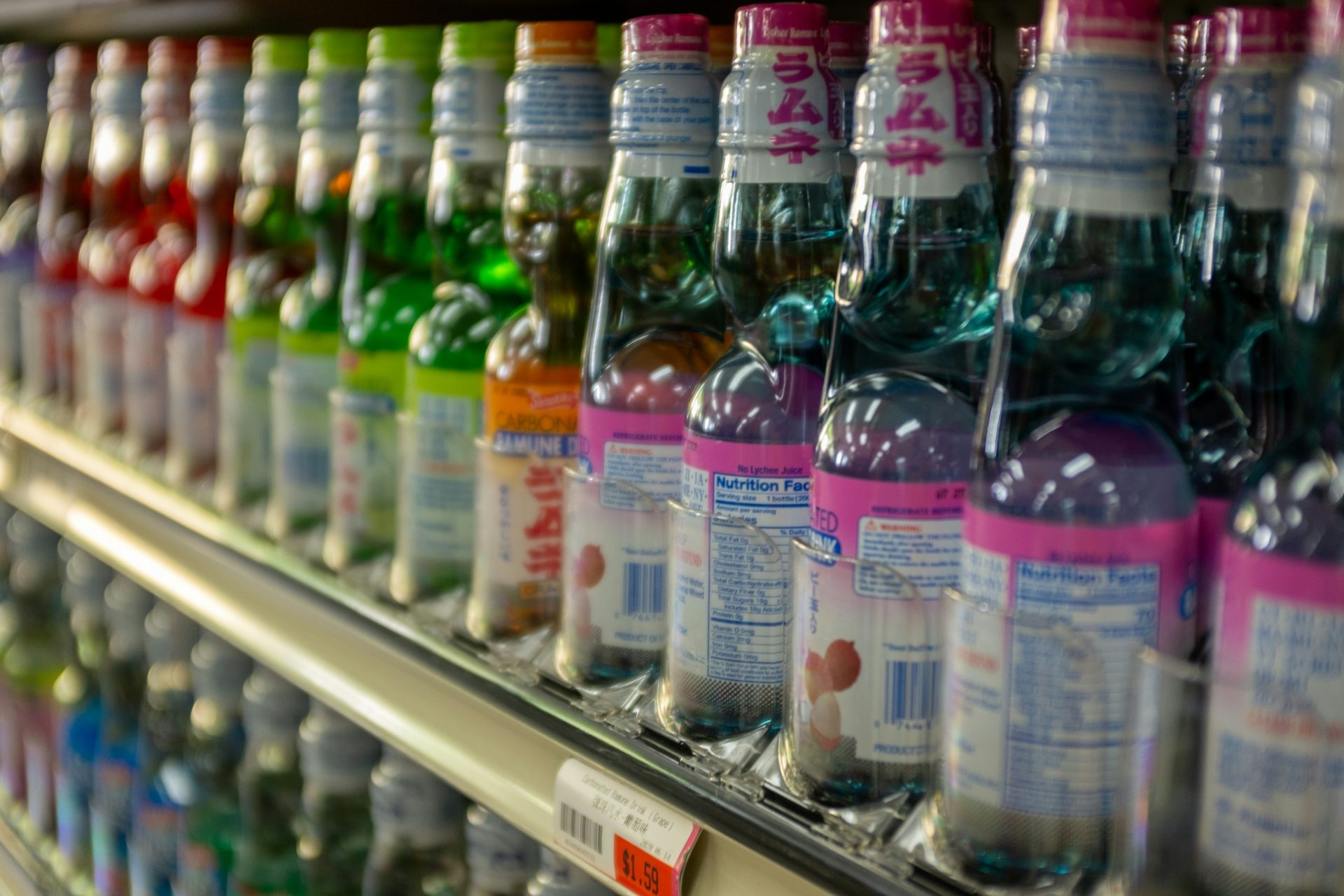
Adjustable dividers and rails
Dividers and rails are the simplest components of shelf management systems. Adjustable dividers like this create lanes for products and can be moved around to accommodate different product sizes. This helps to prevent mixing of SKU’s and improves shelf appearance.
Benefits:
- Fully customisable to shelf width and product size
- Supports neat presentation
- Great when paired with pusher systems
- Health and beauty products
- Medication boxes
- Snack bags and bars
POS display systems
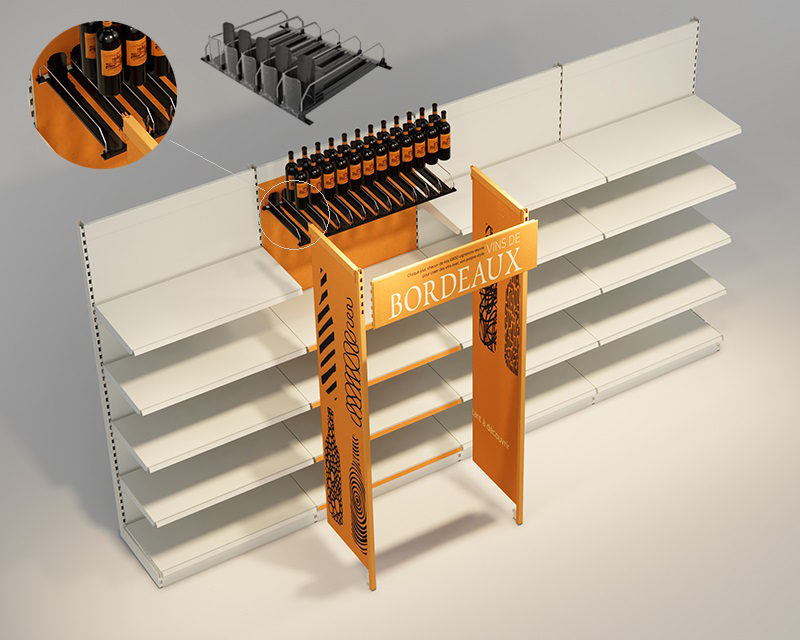
Point-of-sale (POS) display shelving systems combine structural display units with integrated shelf management tools such as pushers, dividers, or branding panels. They're often used for promotions, limited-time offers, or high-turnover items. These systems draw attention while keeping products easy to access.
Benefits:
- Supports promotional campaigns
- Encourages impulse buying
- Customisable for branding and seasonal use
- Checkout counters
- Endcap displays
- Seasonal product showcases

Where and how to use each system
Choosing the right system depends on the retail environment, shelf type, and product packaging. Here's how different systems can be applied:- Grocery stores: Use spring-loaded pushers for dairy, drinks, and snacks. Gravity-fed systems work great for soup cans and pasta boxes. Dividers help keep small packaged goods in order.
- Convenience stores: Pushers maintain product alignment in compact fridges and shelving units. POS displays are ideal near checkouts for fast-selling impulse items.
- Pharmacies: Dividers and pushers are perfect for organising small boxes of medicine, creams, and hygiene products. Systems also help keep OTC sections clean and efficient.
- Cold storage: Use specially designed shelf systems that function reliably in chilled environments.
Benefits of using shelf management systems
Using shelf management systems offers tangible business benefits:- Time savings: Reduces the need for staff to constantly restock.
- Improved presentation: Keeps products consistently aligned and front-facing, which enhances visual appeal.
- Better stock rotation: Systems encourage FIFO (first in, first out), helping manage expiry dates more effectively.
- Increased sales: Tidy displays are more inviting and boost impulse purchasing.
- Reduced shrinkage: Organised shelves make it easier to notice empty spots and detect theft or errors.
- Planogram compliance: Helps ensure every product is exactly where it should be, improving supplier satisfaction.
Choosing the right system for your retail locations
Before selecting a system, ask yourself:- What kind of products are you displaying? Lightweight products may benefit from spring-loaded systems, while heavier items might be better suited for gravity-fed shelves.
- How often do your displays change? If you regularly rotate items, look for modular and adjustable components.
- What is the available shelf space? Ensure compatibility with your shelving depth and width.
- What is your store type? A pharmacy has very different needs than a grocery store or a convenience kiosk.