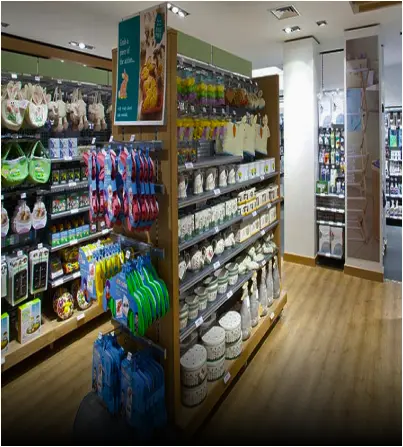
It's that time of year again when we look ahead to the upcoming trends for POP and POS displays .
At KSF Global, we’ve had a great year, marked by a move to new office space , our rebrand, and the launch of new products. With our decades of experience, it’s time for us to share our knowledge and look ahead to the future of point-of-sale displays.
POS displays are evolving in exciting new ways. Some trends are already taking shape and continuing to grow, while others are new to the market.
The main trends for the next five years are retail displays that incorporate retail technology, sustainability practices, and the materials that are changing the way we manufacture POS displays in 2026 and beyond.
These changes enable brands to leverage technology more effectively, meet their sustainability goals, and enhance operational efficiency. Consumers are driving this shift, and brands that innovate will benefit the most.
Contents
- Interactive Digtial Signage
- AR Experiences
- Digital Touchpoints
- Immersive and Multisensory Displays
- Digital Personalisation In-store
- Digital Shelf Strips
- Sensor-Drive & Touchless Technologies
- Modular and Reconfigurable Displays
- New Sustainable Materials
- Energy-Efficient Tech
- Inclusive & Accessible Displays
- Minimalist & Clean Design Aesthetics
1. Interactive Digital Signage
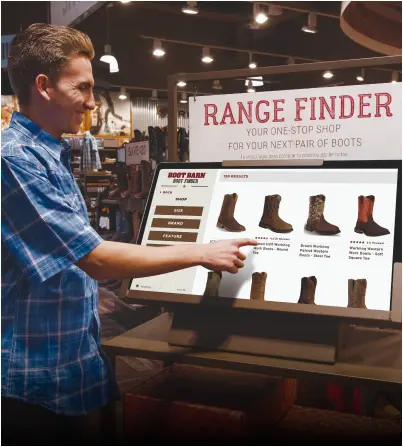
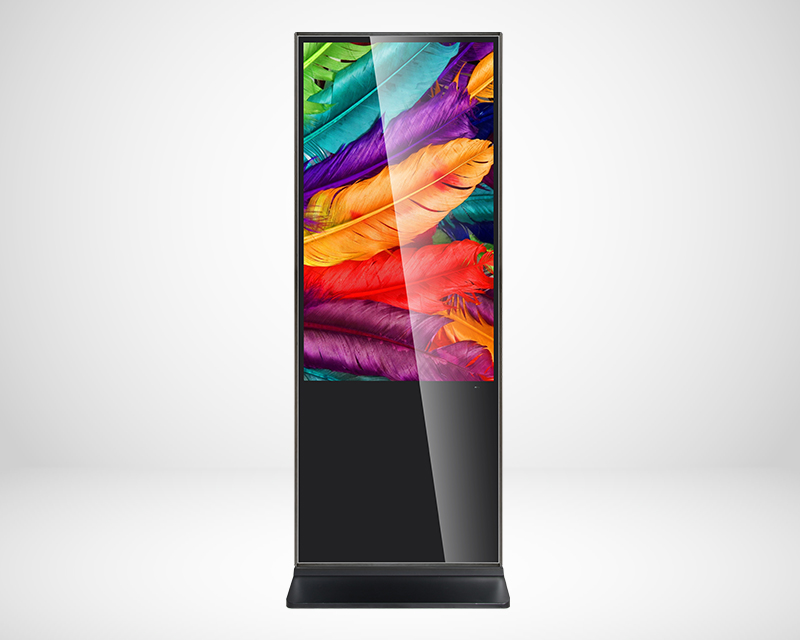
Shoppers are driving the rise of interactive digital signage, as they expect to see innovative and connected technology in retail. These displays support brands by boosting engagement, collecting valuable shopper data, and providing a creative edge to connect with tech-savvy customers.
Interactive displays like this can engage customers while collecting real-time data on what draws their attention, helping brands fine-tune their in-store marketing. For a brand, this could be an interactive screen in a grocery aisle that suggests recipes or combinations based on the input of a chosen product.
Interactive touchscreen products are available now and ready to integrate into your next point-of-sale display project.
2. AR experiences
Virtual testing of products has already helped brands offer shoppers more confidence in their choices and may become even more impactful as technology becomes more available. Augmented reality (AR) experiences enable customers to visualise products as their own, making buying decisions easier and enhancing overall satisfaction.
For example, we have seen beauty brands like L’Oréal use AR “smart mirrors” for virtual makeup try-ons. These interactive experiences enhance the shopping experience and boost engagement. Two-thirds of consumers are reportedly seeking more AR in physical stores.
3. Digital Touchpoints
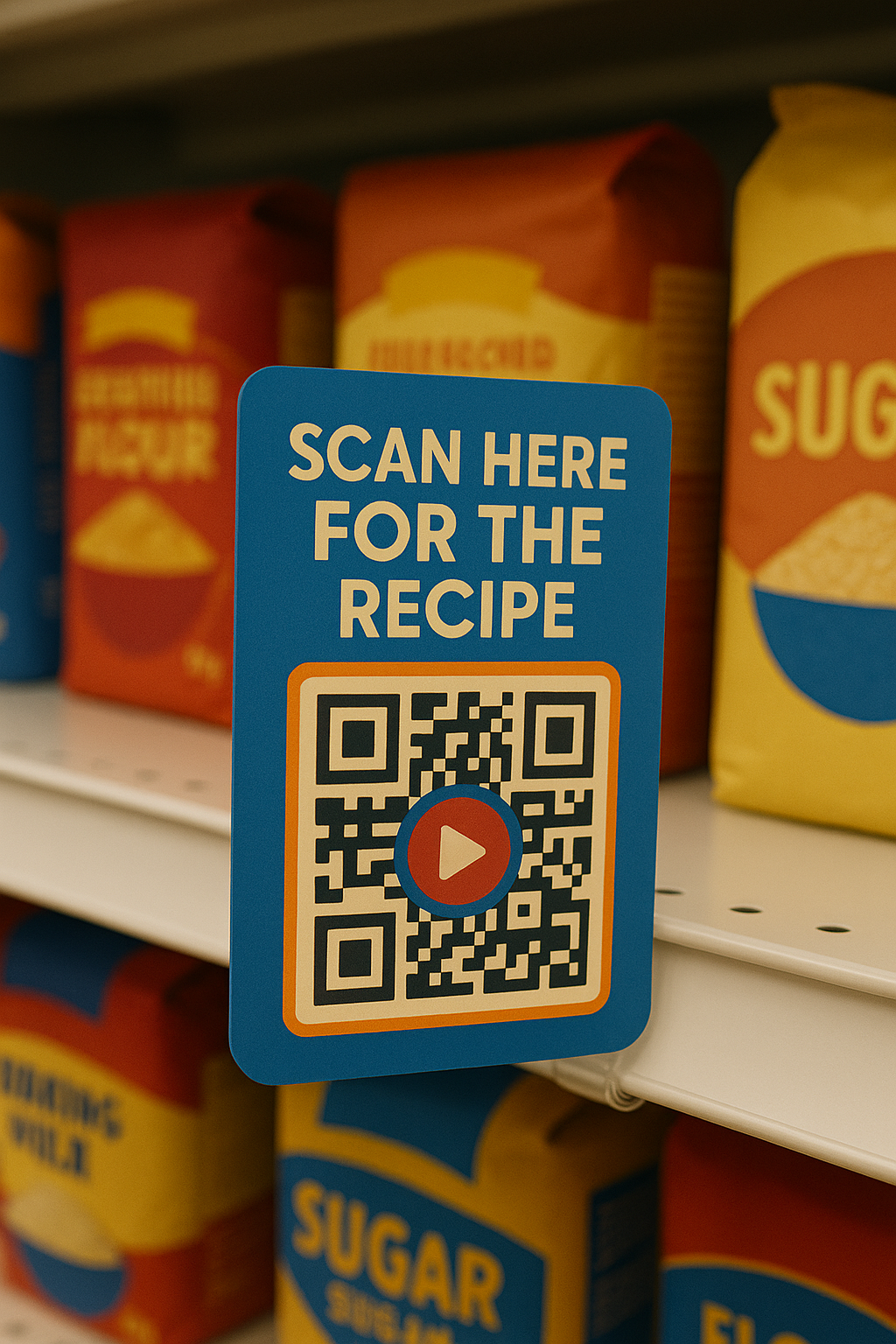
Other ways brands can enhance interactivity include adding digital touchpoints, such as QR codes, NFC tags, or AR triggers.
For example, adding a QR code to a shelf talker enables customers to view how-to videos or read customer reviews about the product, making it easier for them to make informed decisions and increasing the likelihood of a purchase.
Rich content, such as product videos, 3D views, and social media feeds, can be provided on demand. Often accessed via QR codes or NFC tags, shoppers can scan these for reviews or promotions.
4. Immersive and Multisensory Displays
Shoppers crave 'retailtainment': immersive experiences that fulfil shopping needs. To draw people into stores instead of online, brands need to offer more.
Examples from the retail world include dynamic lighting, soundscapes, video projections, and even scent in physical displays.
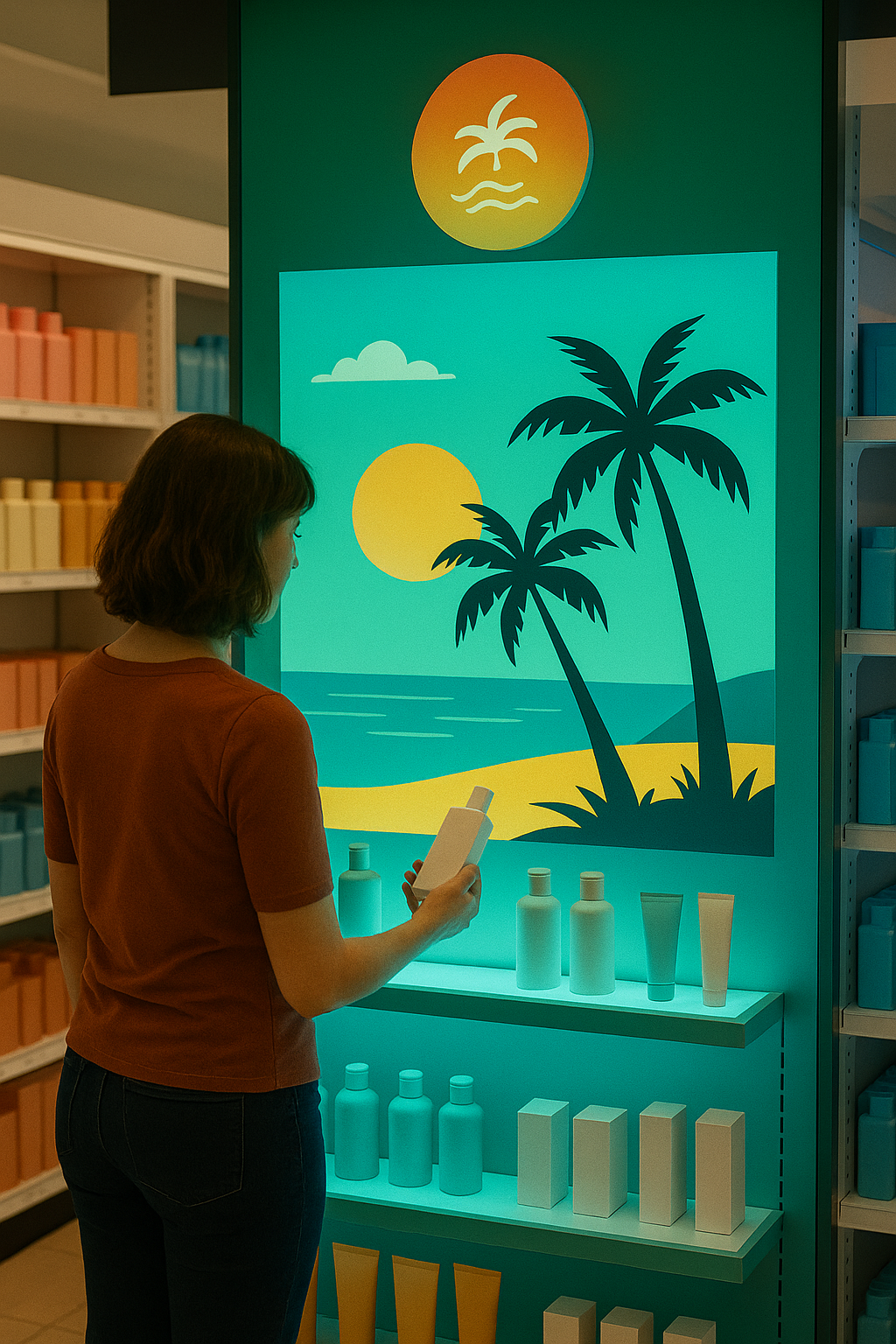
This could be an interactive window display that plays music and animation when someone walks by, or an in-aisle exhibit where picking up a product triggers ambient lighting colour changes and a corresponding aroma (for example, a tropical scent near a beachwear display).
Another example is an electronics brand with a gaming VR demo zone in a themed environment, a pop-up café inside a book shop, or a live stylist workshop in a fashion boutique.
Gen Z are driving this trend. They seek social and experiential shopping experiences that were missed during the pandemic. Brands that create such events earn greater loyalty, more visits, and expanded social media presence among shoppers.
The goal is to create memorable, emotion-driven experiences, and these experiential touches forge a stronger brand impression: shoppers spend more time in-store and share the experience on social media, effectively becoming brand ambassadors.
5. Digital Personalisation In-Store
Shoppers have long been enticed by personalised product recommendations online and are now delighted by the same level of personalisation in-store, complementing the experience. Personalisation appeals to shoppers because it saves time, delivering tailored offers and recommendations for products of genuine interest.
Over half of all consumers also report that they want to see AI-powered personalisation during their in-store experience, for example, a smart mirror that suggests clothing to them based on their size, preferences, and previously purchased products. In fact, 71% of consumers said that they’d shop more often if retail offered AR/AI experiences that personalise their journey. Shoppers are more likely to engage longer and more likely to buy when they feel that the experience is tailored to them.
Consumers use smartphones as part of their shopping experience, and the term "phygital" is being used to describe this phenomenon. Retail TouchPoints reports that Gen Z loves in-person retail, but for them, it should be tightly linked to their digital life, and the experience of jumping between channels needs to be seamless.
The idea behind personalisation is that CRM systems can be integrated with real-time data for personalised audience targeting. For example, a sensor that detects shopper demographics and adapts messages accordingly.
With the rise of AI, analytics can be used more than previously to display content in-store. Brands can utilise data from loyalty apps, cameras, or sensors to tailor digital signage to audience demographics, time of day, or even weather conditions.
6. Digital Shelf Strips
In addition to large screens, brands have access to more subtle forms of advertising, including digital LCD displays and digital shelf strips. A fully interactive display like this really stands out to shoppers, and the shelf strips are available to highlight offers, prices, or serve as advertising space.
This approach enables brands to update offers quickly for current promotions or seasonal changes and helps synchronise shelves with inventory. Data analytics from these shelf strips can also be used for dynamic pricing and promotions.

7. Sensor-Driven & Touchless Technology
Driven by the COVID-19 pandemic, touchless technology is a growing area of retail technology that brands can utilise. Products include motion-activated sensors, gesture-controlled devices, and voice-controlled kiosks with minimal contract.
They enable customers to get assistance without needing to touch a screen. Brands can embed sensors into products or branded shelving. For example, a display that automatically plays a demo video when a product is picked up, or shelf sensors that trigger stock alerts and personalised discounts via app when a known customer approaches. Sensor-driven displays offer interactive experiences to consumers and provide marketers with actionable data. This technology is continually improving, as it addresses health and safety requirements while appealing to shoppers’ desire for an interactive retail experience.
8. Modular and Reconfigurable Displays
Retail brands are increasingly turning to modular and reconfigurable displays, a smart, sustainable trend that helps reduce costs while meeting environmental goals.
These displays can be designed using interchangeable components, allowing brands to easily reconfigure them for different products, retail spaces, or seasonal promotions without having to start from scratch each time.This approach, using the principles of the circular economy, involves designing products to be reused, repurposed, or fully recycled at the end of their life cycle. By investing in durable POS displays with swappable graphics or reconfigurable parts, brands can run multiple campaigns using the same core structure, thereby reducing waste and extending the display’s lifespan.
The benefits go beyond sustainability. Modular displays minimise costs, streamline logistics, and create future-proof solutions that make it easy to refresh in-store promotions. Many are also foldable and lightweight, which helps lower packaging and shipping costs while improving overall efficiency.
The key to creating an adaptable and sustainable design that lasts is to use good-quality materials and a design that is reconfigurable from the start. We have experience in manufacturing point-of-sale displays like this. Speak to our team for more information about your project.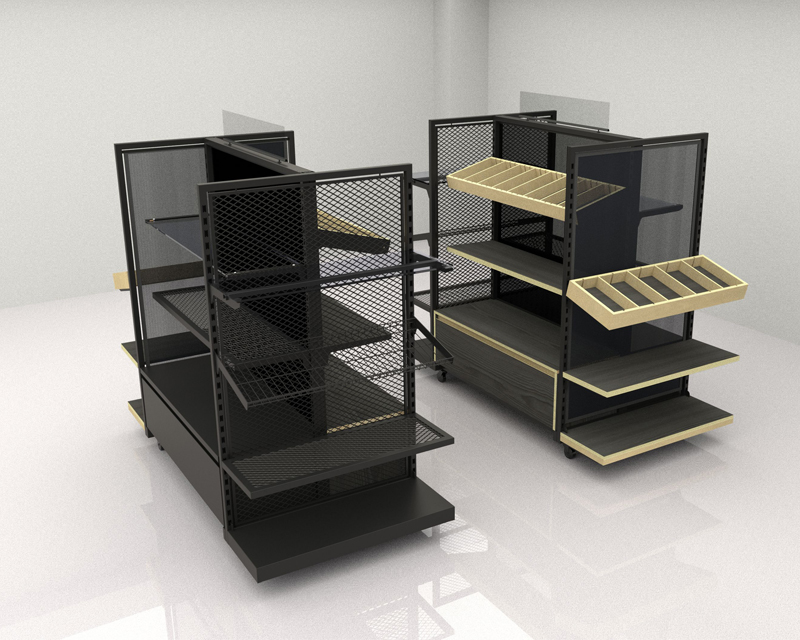
9. New Sustainable Materials
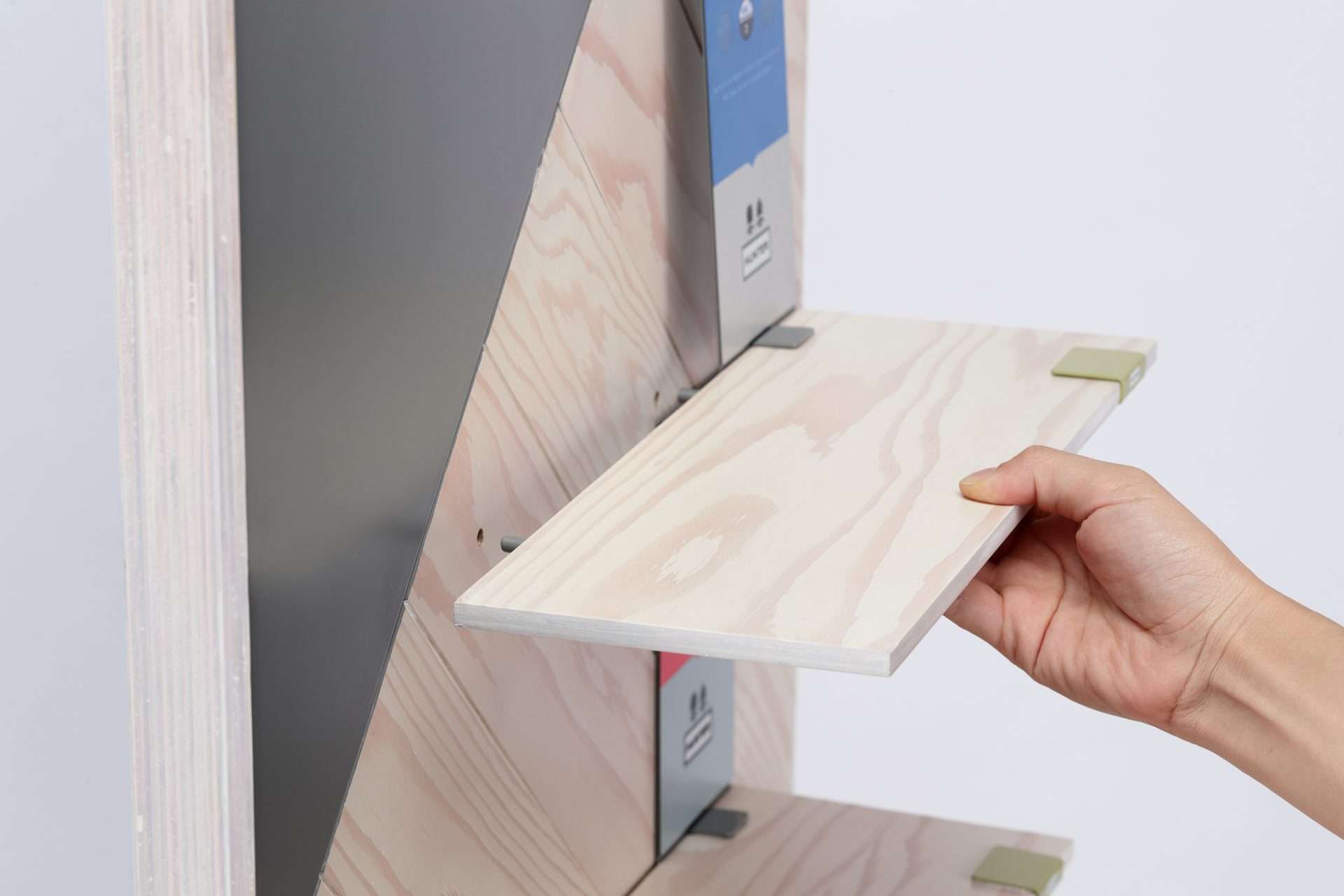
Sustainability is transforming how point-of-sale displays are made, with brands moving away from plastics and virgin wood toward recycled, renewable, or responsibly sourced materials that meet environmental goals without compromising durability.
For example, we recently completed a project using FSC-certified wood, ensuring materials were sourced from responsibly managed forests that meet strict environmental and social standards.
Manufacturers are also adopting eco-friendly inks, recyclable substrates, and more efficient production methods, such as precision cutting, to reduce waste and utilise renewable energy in their processes. Even packaging is being rethought, with reusable crates replacing one-way shipping materials.
Many brands are also cutting their carbon footprint by producing closer to home or using lower-emission transport options. These steps reflect both industry innovation and consumer demand.
At the 2024 VM & Display Show in London, one key theme was integrating eco-friendly materials into high-quality, stylish POS design. Shoppers notice these efforts — from recycled materials to signage highlighting a brand’s sustainability story.
10. Energy-Efficient Tech
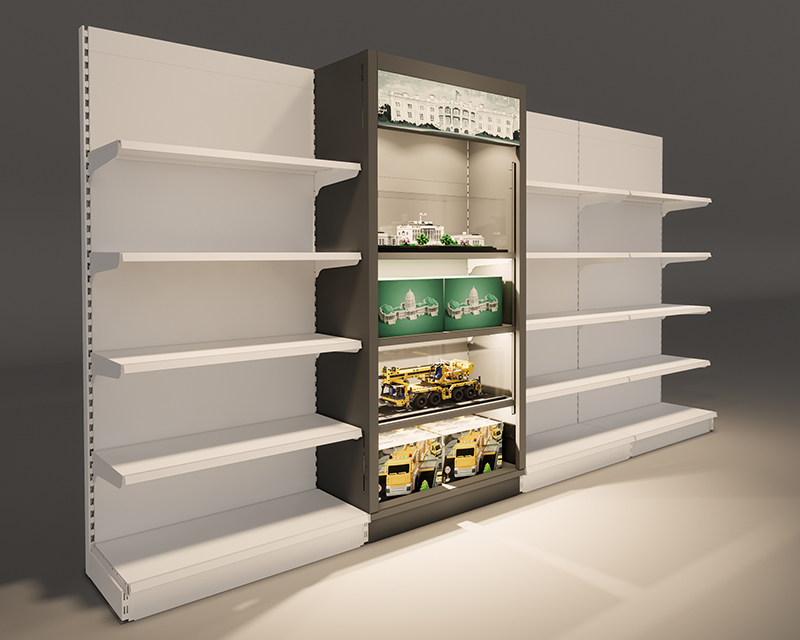
Technologies such as promotional shelving with LED lighting for signage use a fraction of the energy of older halogen or fluorescent lights and emit less heat.
Additions to kiosks or digital screens, such as power-saving modes or dimming when no motion is detected, can enhance the user experience. E-ink digital price tags use very little power and can automatically shut off after a set period.
11. Inclusive & Accessible Displays
Another important design trend is the growing focus on inclusive design for physical retail spaces. POS displays should cater to all ages, heights, and abilities, and brands can include this consideration in their display design. This could mean tables of varying heights, as well as displays with different products available at different heights.
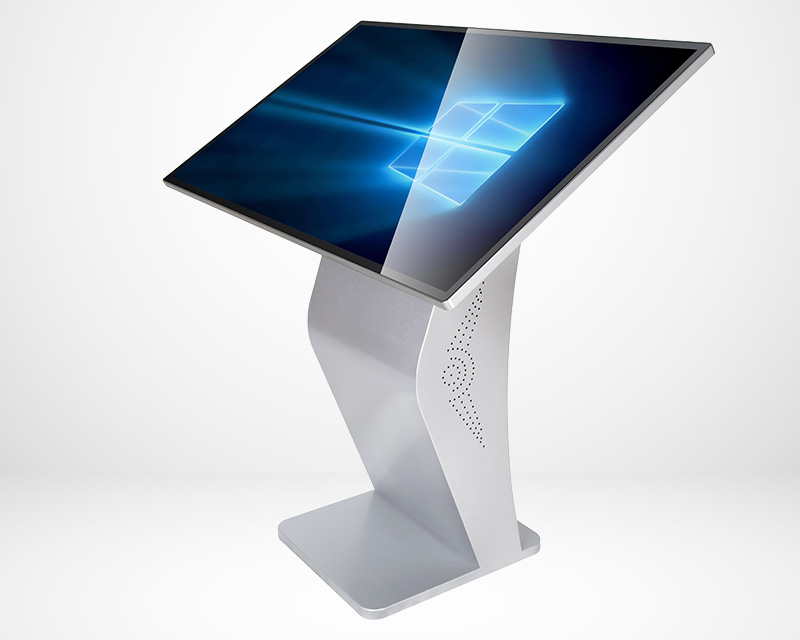
Digital interactive kiosks can also be produced with adjustable screen heights or movable angles. Additional features can include using high-contrast, large font signage to aid those with visual impairments.
There is also the option to create multilingual digital displays and intuitive layouts that guide traffic flow naturally for all customers.
Inclusivity also extends to representation; visual representations of consumers should be diverse, including graphics and mannequins.
12. Minimalist & Clean Design Aesthetics
Minimalist and clean design is another trend for POS displays, due to consumers' preferences for calm, uncluttered spaces. This trend involves using clean lines, open layouts, and neutral colours. The idea is that products are highlighted with a gallery-like simplicity.
This ‘less is more’ approach is favoured by premium and tech brands, who often feature a hero product on a sleek, backlit table to create an upscale feel. The trend involves stripping back visual noise and creating simple displays that highlight product quality rather than overwhelming users with information.
This can also tie into sustainability and mindfulness, where simplicity means less wastage. A neat and straightforward presentation, e.g., a single row of each item and clear signage, makes it easier to navigate and trust the brand they’re buying from.
Conclusion
The future of point-of-sale displays is bright, bold, and full of possibilities. Technology, creativity, and sustainability are converging to transform how brands connect with shoppers in the moment.
What was once cutting-edge is quickly becoming the new standard, from AR try-ons and AI-powered smart shelves to interactive holographic signage and mixed-reality experiences. As these innovations become more accessible, brands will be able to tell richer stories, personalise every interaction, and create truly memorable in-store experiences.
Design will also keep evolving. Modular, reconfigurable, and minimalist displays will give brands the flexibility to refresh spaces with ease, while maintaining clean, contemporary aesthetics that let products shine.
And underpinning it all is sustainability. Recycled and renewable materials, circular design, and more innovative manufacturing processes are now essential for sustainability. Consumers want to see brands doing better for the planet, and the most forward-thinking brands are making that commitment part of their identity.
Ultimately, the future of POS displays lies in innovation with purpose, where technology enhances experience, design adapts seamlessly, and sustainability builds lasting trust between brands and the people they serve.
If you’re looking for a trusted POS display manufacturer, our POS Display Manufacturing Service page covers how we design, prototype, and deliver displays across the UK and beyond.